

One common dilemma, when you’re designing a home is to decide between items that are useful, and the ones that are purely beautiful. You find it difficult to decide whether each piece should serve a purpose or some room should be kept for decor that simply helps in elevating the aesthetics.
So, here’s the fun fact! All thoughtfully designed spaces potentially strike a balance between functionality and visual appeal. If you stress too much on functionality, your space will feel cold and uninspired. On the other hand, you’re compromising practicality and comfort, if you’re filling it with only decorative items.
Want to achieve the ultimate balance between functional and purely decorative items? Read this blog and learn how strike the ultimate harmony. Grab decor that helps you create a space, which is both visually compelling and efficient.
Understanding the Difference: Functional vs Decorative
Let’s dive into the two categories, before we dive into how to balance them. Essential, functional decor serve a clear purpose. Examples of functional decor include furniture, lighting, storage solutions, and even everyday essentials like trays, shelves, and organizers.
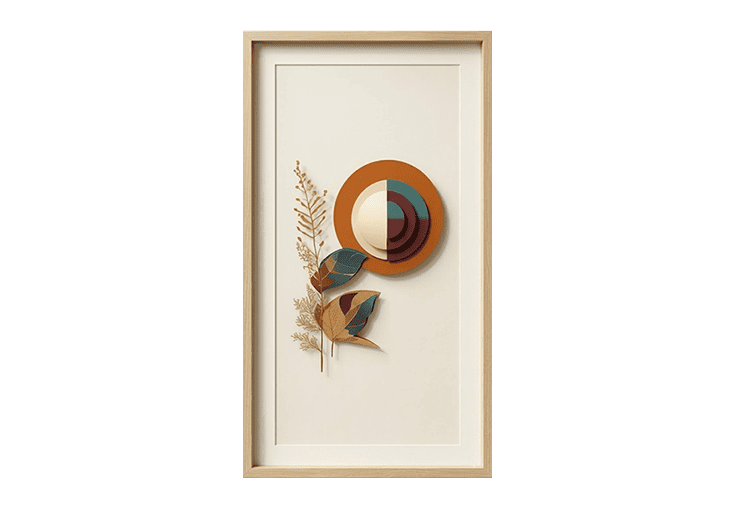
On the other hand, purely decorative items are the ones that are chosen due to their visual appeal. These are the ones that help in elevating the aesthetics of a room. Some examples here include sculptures, vases, artwork, and statement pieces. Such elements help in enhancing the look and feel of a space.
These elements don’t essentially serve a practical role. You must understand that neither category is superior. You can create an unmatchable charm when you use both kinds of elements effectively.
Why Balance Matters in Interior Design
You can gain both comfort and character with a well-balanced space. Create a personalized and inviting space with decorative elements, while making sure your home works for your daily life with functional items.
If you’re not adding functionality, you might face inconvenience, even though your space looks beautiful. A space barring decoration may feel efficient, but it lacks the necessary warmth. When you achieve balance, it allows you to:
- Maximize usability
- Enhance visual appeal
- Create a cohesive and inviting atmosphere
You can transform a house into home, with the right balance.
1. Start with Function as the Foundation
Practically, you must begin with functional items first. Functional decor forms the backbone of your space, and also determines how it will be used. You must focus on essentials such as:
- Comfortable seating
- Adequate lighting
- Storage solutions
- Tables and surfaces
Once these elements are in place, you can layer decorative items above. This ensures that your space remains practical while allowing room for creativity.
2. Choose Multi-Functional Decorative Pieces
Want to bridge the gap between function and decor? The easiest way is to select items that serve both purposes efficiently. Some of the key examples include:
- Decorative baskets that provide storage
- Stylish trays that organize essentials
- Elegant lamps that enhance lighting and aesthetics
- Mirrors that add depth while being practical
With these pieces, you can enjoy both the worlds, while being able to maintain balance. Moreover, you don’t have to compromise on style as well.
3. Avoid Overcrowding with Purely Decorative Items
Decorative pieces add personality to your space. However, if you’re overwhelming a space, it’s usability falls drastically. Clutter in a room can have the following impacts:
- Make cleaning more difficult
- Limit usable surface areas
- Create visual chaos
You must adopt a less but better approach instead. Select a few standout decorative items, which can truly enhance the space. Don’t just go about filling every corner of your room.
4. Let Decorative Items Tell a Story
Every pure decorative item has a meaning or intention. If you’re choosing it thoughtfully, these elements contribute to the overall narrative of your home significantly. You must consider incorporating the following elements:
- Travel souvenirs
- Handmade crafts
- Unique art pieces
Add depth and character to any space with these items. This helps in making your space feel curated and not random, which is a massive need here.
5. Use Functional Items as Design Features
Do you think functional items are always boring? Not mandatorily. There are certain everyday essentials that can double as a design element, if you can choose it cautiously. Some examples here include:
- A beautifully designed chair can act as a statement piece
- Open shelving can display curated decor
- Designer lighting can become a focal point
You must select visually appealing functional items as it helps in reducing the need for excessive decoration completely.
6. Maintain Visual Breathing Space
Balance is about both what you include and what you leave out. Empty space, often referred to as “negative space,” is essential for creating a calm and organized environment. It allows both functional and decorative items to stand out without competing for attention.
Avoid filling every surface. Let your decor breathe.
7. Prioritize Comfort and Usability
No matter how beautiful your decor is, it should never compromise comfort.
For instance:
- Avoid overcrowding seating areas with too many cushions
- Ensure walkways remain clear
- Keep frequently used items easily accessible
A well-designed home supports your lifestyle while still looking elegant.
8. Layer Decor Thoughtfully
Layering is a key technique in achieving balance. It involves combining functional and decorative elements in a cohesive way.
For example:
- A coffee table (functional) styled with books and a vase (decorative)
- A sofa (functional) enhanced with cushions and throws (decorative)
Layering creates depth and interest without sacrificing usability.
9. Consider Scale and Proportion
Both functional and decorative items must be proportionate to the space.
Oversized furniture can dominate a room, while too many small decorative items can feel cluttered. Aim for a balanced mix that complements the size of your space.
Grouping smaller decor items can create a stronger visual impact while maintaining order.
10. Adapt to Your Lifestyle
Your balance between function and decor should reflect how you live.
For example:
- A family home may prioritize durability and storage
- A minimalist apartment may focus on fewer, high-impact pieces
- A creative space may lean more toward artistic decor
There is no one-size-fits-all approach, your decor should work for you.
11. Refresh Without Replacing Everything
One advantage of balancing functional and decorative items is flexibility. You can update the look of your space by swapping out decorative elements without replacing core functional pieces.
For instance:
- Change cushions or throws
- Update artwork
- Rotate decorative accents
This keeps your space feeling fresh while maintaining its practicality.
12. Choose Wisely
Functional items often require a higher price because they are used daily. Decorative items, while important, can be more flexible in terms of budget.
Prioritize quality for:
- Furniture
- Lighting
- Storage solutions
Then, complement these with thoughtfully selected decorative pieces that enhance the overall look.
Conclusion
Designing a home is not about choosing between function and beauty, it’s about blending the two in a way that feels natural and intentional.
Functional items provide structure and usability, while decorative elements bring warmth, personality, and style. When balanced effectively, they create a space that is both practical and visually appealing.
By starting with essentials, choosing multi-functional pieces, avoiding clutter, and layering thoughtfully, you can achieve a design that works as beautifully as it looks.