

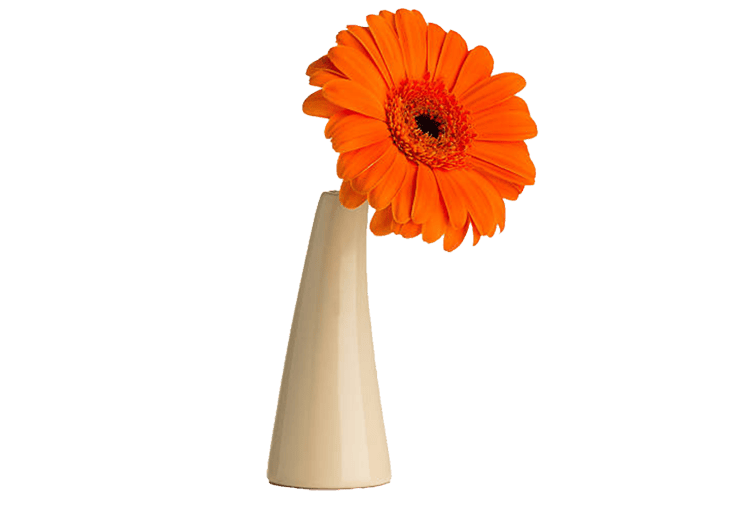
Adding decorative items often gets all the attention, in the world of interior styling. Nevertheless, a highly impactful yet overlooked skill is knowing when to remove a decorative item. You must thoughtfully reduce your decor or edit your space, which can help in transforming your room from cluttered and overwhelming to refined and visually balanced.
It’s not about having less for the sake of it. The art of editing is about making intentional choices. Choices that allow each piece to stand out, while enhancing the overall atmosphere of your home. The guide here will explore how and when you should remove decorative items and create a more cohesive, functional, and aesthetically pleasing space.
Why Editing Matters in Interior Design
You might accumulate decorative pieces over time, even without knowing it. Each item may have its own appeal, but too many elements compete for attention. This can result in an unnecessary dilution of the overall impact.
Benefits of editing your decor:
- Creates a cleaner, more organized look
- Allows key pieces to stand out
- Improves visual flow and balance
- Makes spaces feel more open and calming
With your space well edited, it tends to feel more intentional and thoughtfully designed. Besides, you can attain a creative look as well.
Recognizing When It’s Time to Edit
You must understand when to edit your space or remove decorative objects from it, before you end up removing anything. This can have a strong impact.
Some common signs that editing is needed include:
- Surfaces feel crowded or cluttered
- No single item stands out as a focal point
- The room feels visually overwhelming
- Cleaning and maintenance become difficult
- Decorative items no longer align with your style
Do you space feel busy and not balanced? Then it’s more likely to reassess. Editing might be necessary in such a case.
1. Start with a Clear Vision
When you have a clear idea of how you want your space to feel, editing becomes easier.
You must ask yourself the following:
- Do I want this room to feel calm, vibrant, or minimal?
- Which items support that vision?
- Which items feel out of place?
You end up making confident decisions, if you have a defined direction. You have clarity about what stays and what goes!
2. Focus on Function as Well as Style
Both the looks and usability of your space depend on the decorative items you choose. It makes or breaks these aspects clearly.
You must evaluate each item and ask the following questions:
- Does it serve a purpose?
- Does it improve the room’s functionality?
- Does it add value visually?
You have complete liberty of removing the articles that don’t contribute to your space in any meaningful way. However, make sure that it doesn’t impact the overall design of the room at all.
3. Create Focal Points by Reducing Competition
A focal point benefits every well-designed room. It helps in drawing attention naturally and can benefit you visually.
Editing helps in the following ways, if it comes to creating focal points:
- Removing excess items allows focal pieces to shine
- It reduces visual noise
- It creates a sense of hierarchy within the space
An example here is how a statement vase or artwork becomes more impactful, when it’s not surrounded by too many elements that compete with each other.
4. Use the “One In, One Out” Rule
You must adopt a simple habit, and you will be able to maintain balance over time. The simple rule here is to remove one existing item for every new decorative item that you add to your space.
This can work due to the following reasons:
- Prevents accumulation
- Encourages thoughtful purchasing
- Keeps your space consistently edited
You end up maintaining a curated look without the need for constant overhauls with this kind of approach.
5. Pay Attention to Negative Space
Are there any negative spaces? Negative spaces or empty spaces around your objects are important. These spaces are as crucial as their own objects.
Some benefits of negative spaces include:
- Enhances clarity and focus
- Makes rooms feel larger
- Highlights the items that remain
You need not fill every surface available. If you use empty spaces appropriately, it can create a powerful design element.
6. Group Items Instead of Spreading Them Out
The number of items is not the only issue at times; the arrangement of all the items can also be of high importance. The better approach here is to:
- Group similar items together
- Use trays or defined areas
- Create intentional clusters
One editing strategy here is if grouping still feels crowded, you must remove one or two items from the overall arrangement. This helps in maintaining impact without excess at all.
7. Evaluate Color and Material Balance
Your space will end up feeling chaotic if there are too many colors or materials involved.
Here are a few things that you can look for:
- Clashing tones
- Overuse of different finishes
- Lack of cohesion
One editing tip is to remove items that don’t really align with your overall palette or material theme. It helps in creating a harmonious look.
8. Rotate Decor Instead of Displaying Everything
Do you think you have to part with items permanently? This helps in achieving a cleaner look altogether. You must try these aspects instead:
- Store some decorative items and rotate them seasonally
- Swap pieces to refresh your space
- Keep only a selection on display at any given time
With this you can enjoy your collection, without overwhelming your space at all!
9. Edit by Category
Want to simplify your editing process? Break your decor into different categories, which can simplify the overall process totally.
Some categories to review include:
- Tabletop accessories
- Wall art
- Textiles
- Shelving displays
The method you should employ here is to assess each category separately and remove items that feel redundant or even unnecessary.
10. Consider Scale and Proportion
Quantity and proportion are two critical elements, when it comes to clutter. Visual clutter is caused due to inappropriate proportion as well. The common issues that you may face include:
- Too many small items scattered around
- Oversized décor in limited spaces
The solution here is to do the following:
- Replace multiple small items with one larger statement piece
- Remove items that disrupt balance
You can create a cleaner and a more cohesive visual impact with such an arrangement.
11. Let Go of Sentimental Clutter (Thoughtfully)
If any decorative item carries an emotional value, it becomes difficult to edit such items. You must let go of your emotions. The approach here is to make sure the following:
- Keep items that truly matter
- Store meaningful pieces that don’t fit your current space
- Display sentimental items in a focused, intentional way
With this, you can make sure that both your style and your story is reflected through your space. Moreover, it doesn’t feel overcrowded at all as well!
Room-by-Room Editing Tips
Living Room
- Clear overcrowded coffee tables
- Limit the number of cushions
- Focus on a few standout decorative pieces
Bedroom
- Simplify bedside tables
- Reduce excess textiles
- Keep decor calming and minimal
Dining Area
- Use a single centerpiece instead of multiple items
- Keep table surfaces clear
- Avoid over-decorating surrounding areas
Entryway
- Limit decor to essentials
- Keep surfaces functional and uncluttered
- Use one or two statement items
Final Thoughts
The art of editing is about making space for what truly matters. By removing excess decorative items, you allow your home to breathe, your design choices to stand out, and your space to feel more balanced and inviting.
A thoughtfully edited room doesn’t feel lacking, it feels complete. Each item has a purpose, each surface has room to shine, and the overall design feels effortless.
Whether you’re refining a single corner or rethinking an entire room, knowing when to remove decorative items is a skill that elevates your space from simply styled too truly well-designed.